Japan · Hokkaido
Hokkaido
Start in Sapporo for food and the city, add a night in canal-side Otaru, then choose a season-driven detour: Furano and Biei for summer flower fields, or Niseko for winter powder.
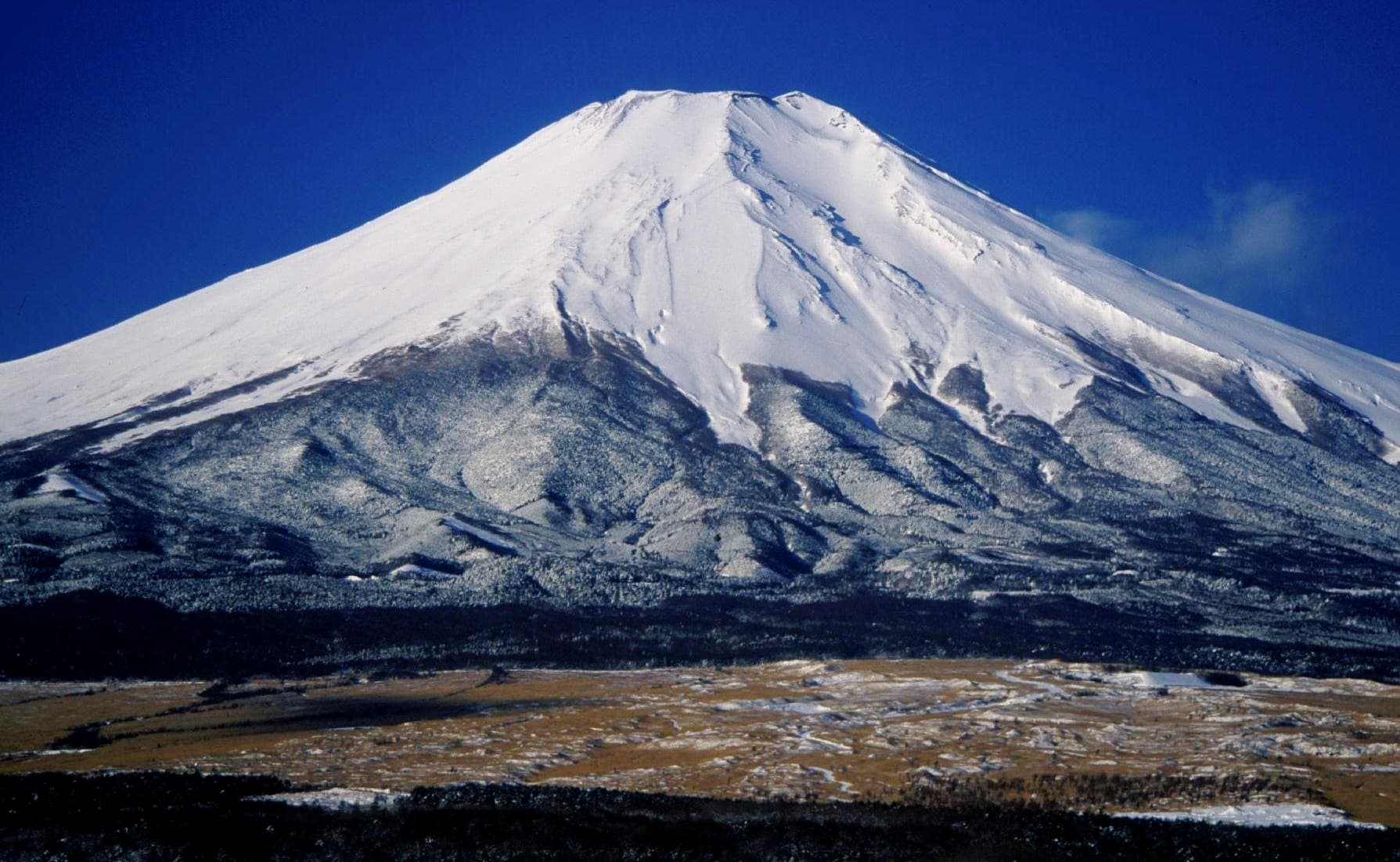
 pakku / CC BY 3.0 via Wikimedia Commons
Overview
Hokkaido is Japan’s northern island and its most seasonal region: world-class powder snow in winter, lavender fields and mild summers, and a food culture built on seafood, dairy and corn that is distinct from the rest of the country. It is the region to pick when the goal is nature and space rather than temple density.
If you only take one thing from this guide: pick your season before you pick your route. A Furano trip built around lavender only works in summer; a Niseko trip built around powder only works in winter. Hokkaido rewards matching the itinerary to the month, more than any other region in this guide.
Best for
Skiers and snowboarders · Nature lovers · Food travelers · Photographers · Couples wanting a slower pace
Daily itinerary
5 to 8 days
Unlike Honshu’s dense rail network and back-to-back temples, Hokkaido is spread out, car-friendly, and organized around seasons rather than sights: winter for snow, summer for flowers and cool air, with far lower population density throughout.
Best time to visit
Hokkaido has two clearly different high seasons: December to February for snow and skiing, and July for lavender fields and the mildest summer weather in Japan. Shoulder months (May, June, September, October) are quieter and still rewarding for hiking and food.
- January to February: Peak powder snow season and the Sapporo Snow Festival; very cold, book Niseko lodging months ahead.
- May to June: Snow gone, greenery arriving, noticeably fewer tourists than Honshu at the same time.
- July: Peak lavender bloom in Furano; Hokkaido’s coolest, most comfortable Japanese summer.
- August to September: Still mild and green; early September can bring the first autumn color at higher elevations.
- October: Autumn foliage, especially around Sapporo’s parks and Daisetsuzan; cooling fast toward winter.
Things worth knowing
- Sapporo Snow Festival (Yuki Matsuri), typically early February, with large snow and ice sculptures in Odori Park.
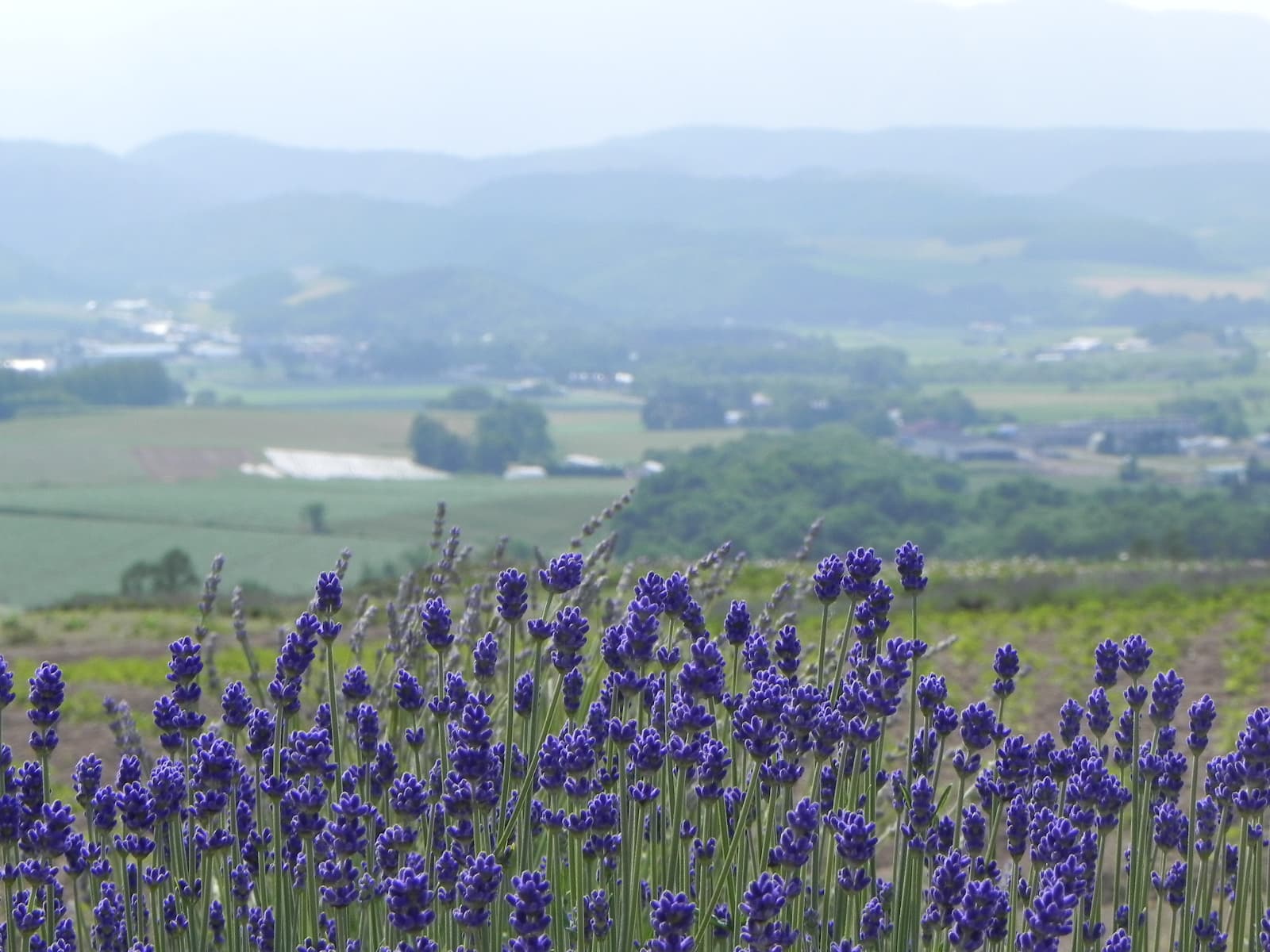
- Farm Tomita’s lavender season in Furano, roughly mid-June through August, peaking in mid-July.
Where to stay
Odori and central Sapporo
The city’s core: Odori Park runs through the middle, with the Sapporo TV Tower, the clock tower, and the Susukino nightlife and dining district close by.
Best for: First-time visitors · Food · City base
Susukino is loud at night; ask for a room away from the main strip if noise matters.
Otaru
A former herring and trading port 30 minutes from Sapporo by train, known for its stone warehouses along a canal lit by gas lamps at night, and a strong glasswork and music-box craft tradition.
Best for: Photography · A slower half-day · Couples
The canal area gets crowded with day-trippers from Sapporo by early afternoon.
Furano and Biei
Rolling farmland in central Hokkaido, famous for Farm Tomita’s striped lavender rows in summer and a patchwork of crop-color fields around Biei year-round.
Best for: Photography · Summer flower fields · Slow drives
Public transport is limited; a rental car makes this area far easier to enjoy.
Niseko
Hokkaido’s best-known ski resort area, spread across several villages (Hirafu, Niseko Village, Annupuri) below Mount Yotei, drawing an international winter crowd for its powder snow.
Best for: Skiers and snowboarders · Onsen · International dining
Prices spike hard in ski season; summer is quiet with far fewer facilities open.
Where to sleep
The Green Leaf Niseko Village, Tapestry Collection by Hilton
resort · Niseko Village
Best for: Ski-in ski-out · Families · Onsen after a ski day
- Direct ski-in, ski-out access to Niseko Village slopes
- Natural hot-spring onsen baths on site
- Central to the Niseko United ski area
- Books out fast and prices spike in peak snow season
- Quiet and half-empty outside winter
- Dining options are mostly on-site or a shuttle ride away
Zaborin
luxury · Hanazono, Niseko
Best for: Couples · Privacy · A design-forward ryokan stay
- Only 15 villa-style suites, each with a private indoor and outdoor onsen
- Secluded woodland setting away from the main ski villages
- Kaiseki dining built around Hokkaido ingredients
- Very expensive relative to the rest of Niseko
- Remote, so a car or hotel transfer is needed for everything
- Small property with limited availability
New Furano Prince Hotel
resort · Furano
Best for: Families · Skiers in winter · A Furano/Biei base
- Directly connected to the Furano ski zone with ski-in, ski-out access
- Large resort with multiple dining options
- Good base for summer lavender-field day trips
- Resort-style scale rather than boutique character
- Furano town center is a taxi ride away
- Rooms are functional rather than design-led
JR Tower Hotel Nikko Sapporo
value · Central Sapporo, above Sapporo Station
Best for: First-time visitors · Transit convenience · A Sapporo city base
- Sits directly above Sapporo Station, minimizing transfers with luggage
- High-floor rooms have city and mountain views
- Easy walk to Odori Park and Susukino
- Business-hotel character rather than a boutique feel
- Station-level noise and crowds below
- Standard rooms are compact
Essential experiences
Otaru Canal
A stone-warehouse canal district lit by gas lamps at night, the signature image of this former herring and trading port.
Farm Tomita
Hokkaido’s best-known lavender farm, with striped rows of purple, red and yellow flowers across rolling Furano hillsides in summer.
Odori Park and Sapporo TV Tower
A long, narrow park running through central Sapporo, host to the Snow Festival in February and summer beer gardens; the TV Tower stands at its eastern end.
Shiretoko National Park
A remote peninsula in northeast Hokkaido where marine and terrestrial ecosystems meet, inscribed as a UNESCO Natural World Heritage Site in 2005 for its seasonal sea ice and wildlife.
Niseko Annupuri and Mount Yotei views
The ski slopes and hiking trails of the Niseko United area, with near-constant views of the near-symmetrical volcanic cone of Mount Yotei.
Sapporo Beer Museum
A red-brick former brewery building tracing the history of Japan’s first beer brand, with a tasting hall on site.
Blue Pond, Biei
A striking blue-tinted pond formed by a volcanic disaster-prevention dam, its color shifting with light and season.
Food & drink
- Sapporo miso ramen: A rich miso-based broth topped with corn and butter, said to have originated in Sapporo.
- Jingisukan (Genghis Khan grill): Grilled mutton and vegetables cooked on a domed skillet, Hokkaido’s signature grilled dish.
- Uni and kani (sea urchin and crab): Hokkaido’s cold northern waters produce some of Japan’s most prized seafood, best at Sapporo’s markets.
- Hokkaido dairy (soft-serve, cheese, milk): The region supplies a large share of Japan’s dairy; soft-serve ice cream stands are everywhere, even in winter.
- Furano and Biei sweet corn and melon: Summer produce from the Furano basin, sold roadside and used in local desserts.
Hokkaido eats heartier and richer than much of Japan; expect butter, cream and grilled meat alongside seafood, a response to the cold climate.
Where to eat
Sapporo Beer Garden
institutionA long-running all-you-can-eat jingisukan and beer hall inside the historic brewery grounds.
Last researched 2026-07-15
Nijo Market
marketA compact fish market a short walk from Odori Park, with stalls and small seafood-rice-bowl counters.
Last researched 2026-07-15
Furano Cheese Kobo
cafeA small local dairy and cheese workshop with a soft-serve stand, a popular break on the Furano/Biei route.
Last researched 2026-07-15
Sunrises
Lake Toya
A caldera lake south of Niseko with quiet, still mornings and views across to the central volcanic island.
May to October
Sunsets
Mount Yotei from Niseko
Clear evenings light up the near-perfect volcanic cone of Mount Yotei above the Niseko villages.
Year-round, clearest in winter and autumn
Otaru Canal at dusk
Gas lamps come on along the canal as the light fades, the classic Otaru evening scene once day-trip crowds thin out.
Year-round · Best after 5pm once tour groups have returned to Sapporo.
Day trips
Otaru from Sapporo
A half-day or full-day trip to the canal town, its glass and music-box workshops, and fresh seafood counters.
About 30 to 45 minutes by JR train from Sapporo · Half day
Furano and Biei flower-field loop
A self-drive or bus loop through Farm Tomita’s lavender rows and the patchwork hill farms around Biei, including the Blue Pond.
About 2 hours by car or train from Sapporo · Full day
Niseko day trip or ski day
From Sapporo, a long day trip to ski, snowboard or simply take in the Mount Yotei views; better as an overnight in winter.
About 2 to 2.5 hours by car or bus from Sapporo · Full day, better as an overnight in ski season
Daily itinerary
Six days in Hokkaido: Sapporo, Otaru and a seasonal detour
Two nights in Sapporo, one in Otaru, then choose Furano (summer) or Niseko (winter) for the remaining nights.
- 1
Arrive in Sapporo
relaxedArrive, settle in near Sapporo Station.Ramen in a Sapporo ramen alley.Odori Park and the Sapporo TV Tower.Jingisukan grill dinner.Susukino walk.New Chitose Airport to Sapporo by JR rapid train, about 40 minutes.Estimate: Add the Sapporo Beer Museum if arriving earlier in the day.
- 2
Sapporo markets and museums
moderateNijo Market for a seafood breakfast.Soup curry, a Sapporo specialty.Sapporo Beer Museum and the historic brewery grounds.Dinner near Odori.Free evening.All reachable on foot or by Sapporo’s subway.Estimate: Swap the beer museum for the Sapporo Art Park in summer.
- 3
Otaru
moderateTrain to Otaru; walk the canal in the morning light.Sushi on Otaru’s well-known sushi row.Sakaimachi Street for glassware and music boxes.Otaru Canal at dusk as the gas lamps come on.Seafood dinner in Otaru or back in Sapporo.Return to Sapporo or stay overnight in Otaru.JR train from Sapporo, about 30 to 45 minutes each way.Estimate: Stay overnight in Otaru to catch both the daytime canal and the evening lights without rushing.
- 4
Travel to Furano or Niseko
moderateReturn to Sapporo, then travel onward by car or train.Lunch en route.Arrive and settle into your seasonal base.Local dinner (Furano melon and corn dishes, or Niseko international dining).Onsen if available.Rental car recommended for Furano/Biei; resort shuttle or car for Niseko.Estimate: Skip this detour and add a second Sapporo/Otaru day if traveling outside lavender or ski season.
- 5
Full seasonal day
fullFarm Tomita and the Biei patchwork hills (summer) or a full ski day (winter).Furano Cheese Kobo or a slope-side lunch.Blue Pond and Biei’s scenic road (summer) or more ski runs (winter).Mount Yotei views if in Niseko.Dinner at your hotel or resort.Onsen soak.Car needed for Furano/Biei; walkable within most Niseko villages.Estimate: In poor weather, swap outdoor time for the Furano Cheese Kobo workshop or a spa afternoon.
- 6
Return and departure
relaxedSlow morning at your seasonal base.Lunch en route back to Sapporo.Return to Sapporo or direct to New Chitose Airport.Departure.Allow 2 to 2.5 hours from Furano or Niseko back to New Chitose Airport.Estimate: If flying from Sapporo city, build in extra buffer for the return drive.
Getting around
- New Chitose Airport (CTS), about 40 minutes from central Sapporo by JR rapid train, is Hokkaido’s main international gateway.
- Domestic flights and overnight ferries also connect Hokkaido to Honshu; the Seikan Tunnel carries the shinkansen as far as Hakodate.
- JR trains connect Sapporo, Otaru and, seasonally, Furano; a rental car opens up Biei’s back roads and rural Niseko.
- Sapporo has a compact subway and streetcar network for getting around the city center.
- Winter driving requires studded or winter tires and experience with snow conditions; many visitors use resort shuttles instead.
Things worth knowing
- · Visiting Furano expecting lavender outside the roughly mid-June to August bloom window.
- · Underestimating winter driving conditions and renting a car without winter experience.
- · Trying to combine a ski trip and a lavender-field trip in the same week; the seasons do not overlap.
Budget
| Low | Expected | Comfortable | |
|---|---|---|---|
| Accommodation style / per night | ¥7,000 | ¥22,000 | ¥60,000 |
| Food style / per day | ¥3,000 | ¥7,500 | ¥18,000 |
| Local transport / per day | ¥1,000 | ¥4,000 | ¥12,000 |
| Estimate / per day | ¥0 | ¥1,500 | ¥5,000 |
Estimate · JPY · 2026-07-15. Accommodation is per room per night (two sharing). Winter ski-season rates in Niseko run well above these figures; local transport "comfortable" assumes a rental car for the Furano/Biei or Niseko legs.
Things worth knowing
Frequently asked questions
What is the best time to visit Hokkaido?
It depends on the goal: December to February for powder skiing, especially in Niseko, or mid-July for peak lavender at Farm Tomita in Furano. May, June, September and October are calmer shoulder months for Sapporo and Otaru.
Do you need a car in Hokkaido?
For Sapporo and Otaru, no, trains cover it well. For Furano, Biei and rural parts of Niseko, a rental car makes the trip considerably easier since public transport is limited.
How many days do you need in Hokkaido?
Five to eight days works well: two to three in Sapporo, a night in Otaru, and the remainder in a seasonal detour to Furano/Biei or Niseko.
Is Hokkaido good to visit in summer?
Yes, it is one of the few genuinely cool, comfortable places in Japan during peak summer, with lavender fields in Furano and mild city temperatures in Sapporo.
How do you get to Hokkaido from Tokyo?
By air, New Chitose Airport is about 1.5 hours from Tokyo; by rail, the shinkansen now runs via the Seikan Tunnel as far as Hakodate, though flying is faster for reaching Sapporo.
Sources (3)
- Shiretoko is a UNESCO World Natural Heritage Site inscribed in 2005 · unesco · 2026-07-15
- Hokkaido overview, seasons and basic travel information · tourism-board · 2026-07-15
- Hokkaido attractions including Otaru, Furano and Niseko · independent-travel · 2026-07-15